
Surviving the Deep Freeze: Your Essential Guide to Extreme Cold Weather Warnings
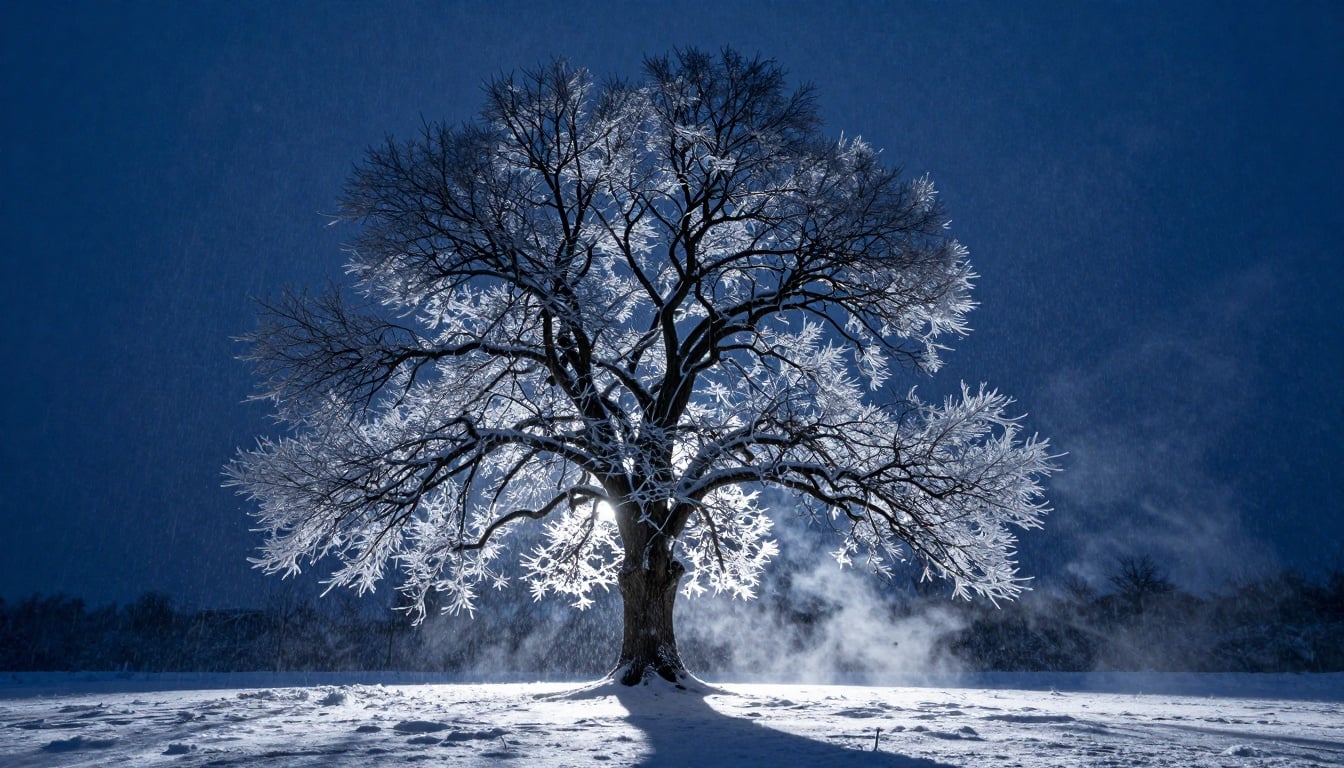
Imagine stepping outside in mid-January 2026, only to feel your breath freeze in the air as temperatures plummet to -20°F with winds howling at 30 mph. Just last month, a brutal cold snap gripped the Midwest, leaving over 500,000 homes without power and causing a 40% spike in frostbite cases in emergency rooms. An extreme cold warning signals this kind of danger—issued when wind chill drops to -35°F or lower in many areas, according to the National Weather Service (NWS).
These alerts save lives by urging people to stay indoors and prepare. They protect not just your health but also roads, pipes, and power lines from the freeze's grip. This guide covers everything you need to know about extreme cold warnings, from the science behind them to simple steps that will keep you safe.
Understanding the Science Behind Extreme Cold Warnings
Extreme cold warnings come from careful weather tracking. They help you spot risks before they hit hard. Knowing the basics lets you act fast.
Defining Wind Chill vs. Actual Air Temperature
Air temperature tells you how cold it feels on a still day. Wind chill mixes in the breeze's bite, making it feel much colder on your skin. Wind strips away the warm layer of air around your body, speeding up heat loss through convection.
The NWS uses a formula: wind chill equals 35.74 plus 0.6215 times air temperature minus 35.75 times wind speed to the 0.16 power, plus 0.4275 times air temperature times wind speed to the 0.16 power. This index warns of frostbite in minutes when it hits -20°F or below. For example, at 0°F with 20 mph winds, wind chill drops to -24°F, doubling the danger.
Your body loses heat faster in the wind, raising risks for hypothermia. Stay aware of both numbers during alerts to dress right and limit time outside.
Meteorological Triggers for Issuing Alerts
Warnings trigger when Arctic air dives south, often from a deep low-pressure system over Canada. This air mass brings clear skies but deadly lows. High winds from jet stream dips make it worse.
The NWS issues an extreme cold warning for wind chills below -35°F for three hours or longer. A frost advisory covers lighter frost risks at 29°F to 32°F for crops and plants. Blizzard warnings add heavy snow and winds over 35 mph, cutting visibility to a quarter mile.
These conditions stem from polar vortex weakenings, like the one that stalled over the U.S. in early 2026. Spotting these patterns early through apps or radio keeps you one step ahead.
Historical Context and Record-Breaking Cold Events
Back in 1994, a massive cold wave hit the eastern U.S., with Chicago seeing -27°F and over 100 deaths from the chill. More recently, the 2019 polar vortex brought wind chills to -60°F in parts of the Midwest, shutting down schools and flights for days. In 2026's early snap, Minnesota recorded a new low of -45°F, straining grids across the northern states.
The NWS archives show these events often link to sudden stratospheric warmings that push cold air equatorward. Such freezes have caused billions in damage, from crop losses to infrastructure breaks. Learning from past blasts, like the 1983 event that froze the Great Lakes solid, shows why modern warnings matter more than ever.
History repeats itself if we ignore patterns. These records remind us to stock up and stay put when alerts sound.
Protecting Your Health: Immediate Actions During a Warning
Your body fights cold best with smart moves. Act quick to avoid chills turning serious. Focus on warmth from the inside out.
Preventing Cold-Related Injuries: Hypothermia and Frostbite
Hypothermia starts mildly with shivering and confusion, then worsens to slow heartbeat and drowsiness in mid-stages, and finally unconsciousness if severe. Frostbite hits skin first, turning it pale and numb; deeper layers bring blisters and black tissue. In extreme cold warnings, exposed flesh freezes in under 30 minutes at -20°F wind chill.
For mild hypothermia, move to warmth, remove wet clothes, and wrap in blankets; give warm drinks if alert. Never rub frostbitten areas—instead, soak in warm water and seek medical help right away. The CDC notes over 1,500 U.S. deaths yearly from cold injuries, mostly preventable with awareness.
Check skin color and feeling often outside. Early signs save limbs and lives.
Layering Strategies: The Science of Staying Warm
Layering traps heat like a thermos keeps soup hot. Start with a base layer of moisture-wicking synthetics or wool to pull sweat away; cotton soaks it up and chills you. Add a mid-layer like fleece for insulation, then top with a waterproof shell to block wind.
Protect hands with insulated gloves, feet in wool socks and boots, and head in a hat—up to 40% of heat escapes from your scalp. In extreme cold, cover your face with a scarf or balaclava. This setup lets you adjust as you move, staying dry and toasty.
Test your layers on short walks before the big freeze. The right clothes turn a warning into just a chilly day.
Vulnerable Populations: Elevated Risks
Elderly folks lose heat faster due to thinner skin and slower circulation, raising hypothermia odds by 50%. Infants can't shiver well, so bundle them extra with hats and blankets. Outdoor workers face constant exposure—take breaks in warm spots every hour.
The homeless need community help most; cold weather triples their ER visits. Public health tips include extra layers for seniors, skin-to-skin contact for babies, and hydration for all. Reach out to neighbors in these groups during warnings.
No one should face the freeze alone. Simple checks make a big difference.
Safeguarding Your Home and Property from Cold Damage
Cold cracks more than ice—it bursts pipes and hikes bills. Prep your space now to dodge costly fixes. Small steps seal in the heat.
Protecting Plumbing and Preventing Burst Pipes
Insulate exposed pipes with foam sleeves from hardware stores; tape them tight. Let faucets drip slowly at night to keep water moving and avoid freezes. For outdoor spigots, shut off the valve inside and drain lines before winter hits.
Know your main shutoff—usually near the water meter or basement— to stop floods fast if a pipe breaks. In 2025, frozen pipes caused $5 billion in U.S. damages, per insurance reports. These habits cut that risk in half.
Act before the warning; thawed pipes mean wet messes otherwise.
Heating System Safety and Fuel Conservation
Space heaters cause 80% of winter home fires—keep them three feet from stuff and plug direct into the walls. Carbon monoxide sneaks from bad vents; install detectors and crack windows if using wood stoves. For furnaces, change filters monthly to run smoothly.
Save fuel by setting thermostats to 68°F and closing doors in unused rooms. If power dips, layer up instead of cranking the heat. Safe systems keep you warm without the worry.
Balance comfort and caution every cold night.
Insulating Doors, Windows, and Drafts
Seal gaps with weather stripping around doors and foam for outlets. Apply plastic film kits to windows—they cut drafts by 30% and trim bills. Check attics for thin spots; add blown-in cellulose if needed.
Drafts let in 25% more cold air, forcing heaters to work overtime. In prolonged freezes, this adds hundreds to utility costs. Quick fixes like rolled towels under doors work in a pinch.
Your home stays a refuge with these barriers up.
Infrastructure and Community Resilience During Deep Freezes
Big chills test roads, power, and neighbors. Plan for the chain reactions. Together, we weather the storm.
Transportation Hazards and Travel Advisories
Black ice hides on roads, turning drives deadly—slow down and increase following distance. Pack car kits with blankets, flares, sand for traction, and high-energy snacks. If stuck, run the engine 10 minutes hourly with windows cracked for air.
Cold kills batteries fast; test yours now and keep fuel over half full. Apps like Waze show real-time closures during warnings. In 2026's snap, accidents rose 25%—stay home if you can.
Safe travels mean smart prep.
Power Grid Reliability and Outage Preparation
Freezes spike demand, overloading transformers and causing blackouts for millions. Grids fail when lines snap under ice weight. Prep a 72-hour kit: wool blankets, hand warmers, LED lanterns, and a camp stove for hot meals.
Stock non-perishables and a full freezer to last days. Backup generators need fuel and outdoor exhaust. Outages in past events left folks cold for a week—your kit bridges the gap.
Lights out? Stay warm anyway.
Utilizing Community Resources and Official Alerts
Find warming centers via local alerts or 211 calls; many churches and schools open up. NOAA Weather Radio beeps warnings straight to your home. Emergency sites list shelters for those in need.
Governments activate plows and aid when warnings hit. Join neighborhood watches to share updates. In tough times, these links build strength.
Tap into help—it's there for you.
Conclusion: Preparing Proactively for the Next Deep Freeze
Extreme cold warnings demand action: layer up, insulate your home, and check on others. Keep heat sources safe, pack emergency kits, and heed official alerts to stay ahead. These steps turn a fierce freeze into something you handle with ease.
Preparedness builds confidence. Next time the wind howls, you'll face it ready. Stay safe out there—your family counts on it.
%20(1).jpg)



%20(1).jpg)


0 Comments